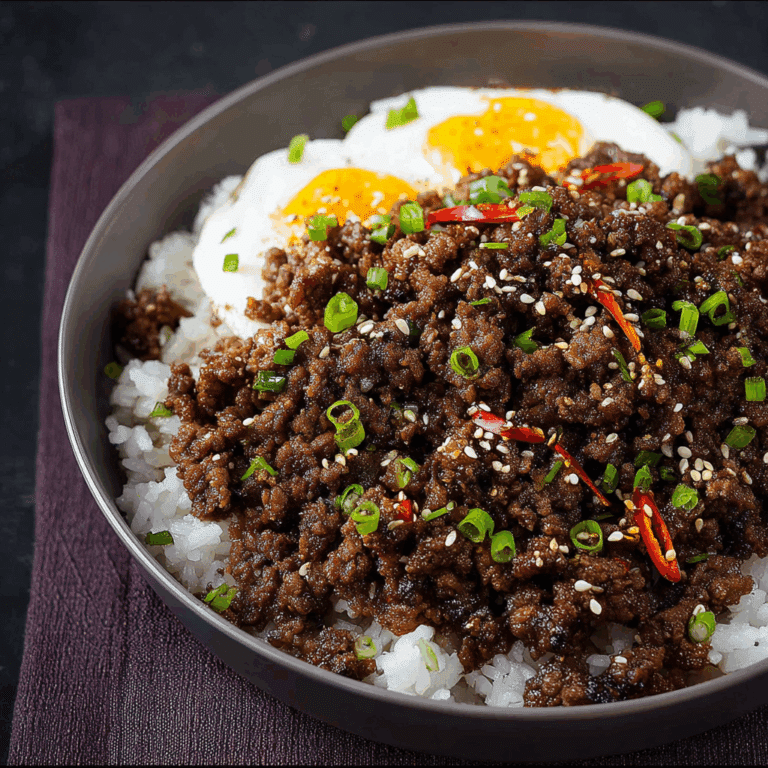
wide Shot Side view

Mastering the art of the wide Shot Side view is a game-changer for photographers looking to capture expansive scenes with dramatic depth and striking detail. This technique lets you showcase broad landscapes, dynamic cityscapes, or captivating action with a unique perspective that pulls viewers right into the moment. Whether you’re shooting nature, architecture, or portraits with environmental context, these expert tips will help you create visually stunning images that tell a deeper story.
Why You’ll Love This Recipe
- Enhanced Depth: Wide shot side views naturally create a sense of layering and spatial relationships.
- Dynamic Composition: This viewpoint allows you to include foreground, middle ground, and background elements harmoniously.
- Versatility: Perfect for landscapes, street photography, and even candid portraits with an environmental story.
- Emotional Impact: Wide angles combined with side perspectives can convey movement, tension, or calmness vividly.
- Technical Growth: Experimenting with this technique improves your skills in framing, focusing, and light management.
Ingredients You’ll Need
The essentials for capturing a magnificent wide Shot Side view are refreshingly straightforward but crucial for success. Each component enhances your image’s visual appeal, clarity, and depth, making your shots truly stand out.
- A reliable wide-angle lens: To capture expansive scenes with minimal distortion and ample field of view.
- A sturdy tripod: Helps stabilize your camera for sharpness, especially in lower light or slow shutter situations.
- Good natural light: Utilizing sunlight or golden hour provides soft, directional lighting to enhance textures.
- Polarizing filter: Useful for reducing glare and saturating colors in your wide outdoor shots.
- A keen eye for composition: Ability to spot interesting side angles and overlapping elements to keep the viewer’s eye engaged.
Variations for Wide Shot Side View
Feel free to mix up your approach to the wide Shot Side view depending on your style or the setting. It’s easy to customize this method to match different moods, times of day, and photographic goals.
- Urban Exploration: Use buildings and streets to create strong leading lines on the side.
- Nature Focus: Emphasize the horizon and layers of terrain for a panoramic feel.
- Portrait Inclusion: Incorporate subjects on the edge for dynamic storytelling.
- Nighttime Variation: Experiment with artificial light and side shadows for moodier compositions.
- Motion Blur: Use slow shutter speeds to show movement alongside a crisp background.

How to Make Wide Shot Side View
Step 1: Choose Your Location
Scout for places with multiple depth layers—trees, buildings, roads, or water bodies—to maximize the effect of your wide Shot Side view. Look for side angles where elements overlap to enhance the three-dimensional feel.
Step 2: Set Up Your Equipment
Mount your wide-angle lens on your camera and position your tripod steady on flat ground to avoid vibration. If using filters, attach your polarizer to enrich colors and minimize reflections.
Step 3: Compose Your Frame
Frame your shot from the side perspective—this might mean standing perpendicular to the main subject or landscape. Align key elements according to the rule of thirds to create balance, and use natural leading lines such as roads or rivers to guide the viewer’s eye through the scene.
Step 4: Adjust Camera Settings
Set a narrow aperture (f/8 to f/16) for deep focus to keep everything sharp from foreground to background. Adjust ISO and shutter speed to maintain exposure without introducing blur or noise.
Step 5: Capture and Review
Take multiple shots experimenting with slight variations in angle and focal length. Review your images carefully, zooming in on details and horizon alignment to ensure maximum impact.
Pro Tips for Making wide Shot Side view
- Use Leading Lines: Let natural or architectural lines draw viewer attention deeper into your side view shots.
- Mind the Horizon: Keep your horizon straight for professional polish, especially in expansive landscapes.
- Play with Foreground: Include interesting objects up close to add dimension and scale.
- Shoot During Golden Hour: Early morning or late afternoon light adds warmth and shadows that emphasize textures.
- Bracket Your Exposures: Capture multiple exposures to blend highlights and shadows later in post-processing.
- Be Patient: Wait for the right moment when natural elements like clouds or people enhance the side view story.
How to Serve wide Shot Side view
Garnishes
Add visual interest with natural elements like colorful leaves, flowers, or architectural details in the frame edges to complement your wide Shot Side view’s atmosphere.
Side Dishes
Pair your main shot with focused close-ups or detail shots to tell a fuller story when sharing your photographic series or portfolio.
Creative Ways to Present
Consider panoramic stitching of multiple wide Shot Side views for immersive presentations or use split screens to contrast different times or lighting conditions in the same location.
Make Ahead and Storage
Storing Leftovers
Save your RAW files and high-resolution edits with clear folder names and metadata for easy retrieval and future use or reprocessing.
Freezing
Backup your shots on cloud services or external drives to prevent accidental loss and preserve your valuable wide Shot Side view collections.
Reheating
Review and revisit your photos periodically, experimenting with new edits or styles to “refresh” older wide Shot Side view images and keep your portfolio evolving.
FAQs
What camera settings work best for a wide Shot Side view?
A narrow aperture between f/8 and f/16 with low ISO and a moderate shutter speed generally works well to maintain sharpness and proper exposure.
Can I use a smartphone to capture a wide Shot Side view?
Absolutely. Modern smartphones with wide-angle lenses can deliver impressive results, especially when combined with manual apps for control over focus and exposure.
How do I avoid distortion in wide-angle side shots?
Keep your lens level, use lens correction tools in editing software, and avoid getting too close to subjects that may appear stretched or warped.
Is tripod use necessary for wide Shot Side view photos?
While not always mandatory, a tripod significantly improves stability and sharpness, especially under low light or when using slower shutter speeds.
What are common mistakes to avoid in wide Shot Side view photography?
Avoid cluttered compositions, crooked horizons, and neglecting foreground interest as these can weaken the sense of depth and impact.
Final Thoughts
Embracing the wide Shot Side view technique opens up a whole new world of photographic possibilities that blend storytelling with breathtaking visuals. With these tips in your toolkit, you’re already on the path to capturing images that truly resonate and inspire. Give it a shot, and watch your photography come alive in stunning new ways.
Related Posts
- Easy Teriyaki Chicken Veggie Bowls to Try Now
- Easy No Churn Oreo Ice Cream Recipe to Try
- Easy Sun Dried Tomato Gnocchi Bake Recipe
wide Shot Side view

Master the wide Shot Side view photography technique to capture expansive scenes with dramatic depth and striking detail. Perfect for landscapes, cityscapes, and environmental portraits, this approach enhances depth, dynamic composition, and emotional impact while improving your technical skills in framing and lighting.
- Prep Time: 10 mins
- Total Time: 10 mins (plus shooting time)
- Yield: Varies depending on number of shots taken
- Category: Photography Technique
- Method: Photography
Ingredients
Essential Equipment
- A reliable wide-angle lens
- A sturdy tripod
- Polarizing filter (optional but recommended)
Environmental Conditions
- Good natural light (preferably sunlight or golden hour)
Skills & Preparation
- A keen eye for composition focusing on side angles and overlapping elements
Instructions
- Choose Your Location: Scout for places with multiple depth layers—such as trees, buildings, roads, or water bodies—to maximize the wide Shot Side view effect. Look for side angles where elements overlap to enhance the three-dimensional feel.
- Set Up Your Equipment: Mount your wide-angle lens on your camera and position your tripod steadily on flat ground to avoid vibration. Attach the polarizing filter if available to enrich colors and minimize reflections.
- Compose Your Frame: Frame your shot from the side perspective, often standing perpendicular to your main subject or landscape. Align key elements using the rule of thirds and use natural leading lines such as roads or rivers to guide the viewer’s eye through the scene.
- Adjust Camera Settings: Set a narrow aperture between f/8 and f/16 for deep focus to keep everything sharp from foreground to background. Adjust ISO and shutter speed to maintain proper exposure without blur or noise.
- Capture and Review: Take multiple shots experimenting with slight variations in angle and focal length. Review your images carefully by zooming in on details and horizon alignment to ensure maximum impact.
Notes
- Use leading lines to draw the viewer deeper into your side view shots.
- Keep the horizon straight for a professional look, especially in landscapes.
- Include interesting foreground objects to add dimension and scale.
- Shoot during golden hour to add warmth and texture with natural light.
- Bracket your exposures to blend highlights and shadows in post-processing.
- Be patient and wait for natural elements like clouds or people to enhance your composition.
Keywords: wide shot, side view, photography technique, wide-angle, landscape photography, cityscape, environmental portrait, composition, depth, golden hour