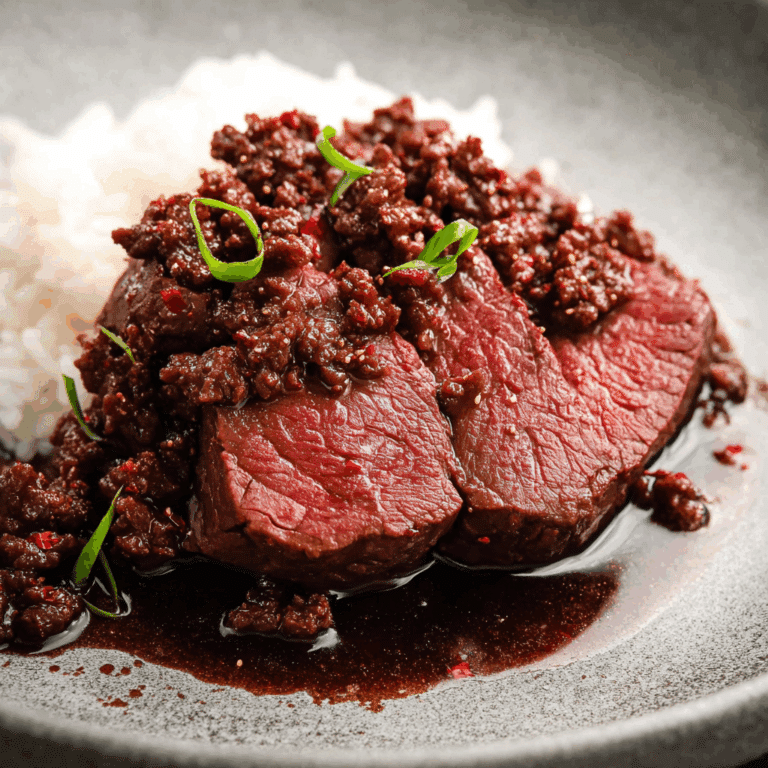
Sri Lankan Egg Curry

Discover the rich flavors of Sri Lankan Egg Curry in this easy, aromatic recipe perfect for adding a spicy twist to your meals. This dish combines hard-boiled eggs with a robust blend of spices, tomatoes, and coconut milk to create a luscious, flavorful curry that’s as comforting as it is exciting. Whether you’re new to Sri Lankan cuisine or looking for a delightful new curry to add to your rotation, Sri Lankan Egg Curry offers an unforgettable taste experience with each bite.
Why You’ll Love This Recipe
- A burst of authentic flavor: The unique mix of spices captures the essence of Sri Lankan cooking, delivering depth and warmth.
- Quick and easy preparation: Perfect for busy weeknights while still feeling special and homemade.
- Versatile dish: Can be enjoyed as a main meal or a side curry to complement rice or bread.
- Protein-packed comfort: Hard-boiled eggs add a satisfying protein boost making the dish hearty and nutritious.
- Customizable spice levels: Adjust the chili and seasonings easily to suit your taste preferences.
Ingredients You’ll Need
This recipe relies on simple, fresh ingredients that come together seamlessly to build layers of flavor and texture. Each element plays a vital role, from adding warmth and richness to balancing the heat and creaminess.
- Hard-boiled eggs: The star of the dish, providing hearty texture and protein.
- Onions: Thinly sliced and sautéed to add sweetness and depth.
- Garlic and ginger: Freshly minced for that essential aromatic foundation.
- Tomatoes: Fresh or canned, they create a tangy base that balances the spices.
- Coconut milk: Adds creamy richness and smoothness to the curry sauce.
- Spices (cumin, coriander, fennel, turmeric): These ground spices bring warmth and the signature curry flavor.
- Dried red chilies or chili powder: Provide the vibrant heat Sri Lankan curries are known for.
- Mustard seeds: Used for tempering to enhance fragrance and add a slight crunch.
- Curry leaves: A classic Sri Lankan ingredient that imparts a subtle, herbaceous note.
- Oil (coconut or vegetable): For frying spices and aromatics, enhancing flavor extraction.
- Salt and sugar: To balance and elevate the overall taste.
Variations for Sri Lankan Egg Curry
Feel free to personalize this Sri Lankan Egg Curry recipe to suit your dietary choices or to experiment with different textures and flavors. It’s incredibly adaptable, making it a fun dish to make your own!
- Vegetarian version: Skip the eggs and add chickpeas or potatoes for a filling plant-based curry.
- Extra heat: Increase dried chili or add fresh green chilies to turn up the spice intensity.
- Herb infusion: Garnish with fresh coriander or curry leaves for an added burst of freshness.
- Creamier texture: Use thicker coconut cream instead of milk to create a richer curry sauce.
- Tomato substitution: Add tamarind paste for a tangier twist instead of tomatoes.

How to Make Sri Lankan Egg Curry
Step 1: Prepare the eggs
Start by boiling the eggs until hard, typically around 10 minutes. Once boiled, peel them carefully and set aside to cool. This step sets the foundation for the curry by providing those perfectly cooked, tender eggs that soak up all the flavors.
Step 2: Sauté the aromatics
Heat oil in a pan, then add mustard seeds and let them pop. Next, toss in curry leaves, followed by sliced onions, garlic, and ginger. Cook everything until the onions turn golden and fragrant, creating a flavor-packed base.
Step 3: Add spices and tomatoes
Sprinkle in the turmeric, cumin, coriander, and chili powder, stirring to toast them slightly. Then mix in chopped tomatoes and cook down until the mixture thickens and the oil starts to separate, signaling vibrant, concentrated flavors.
Step 4: Stir in coconut milk
Pour in the coconut milk gradually, stirring gently to combine it with the spice mixture and tomato base. Let it simmer for a few minutes, allowing the curry to develop a silky, creamy consistency.
Step 5: Incorporate eggs and finish cooking
Add the peeled boiled eggs to the curry, gently spooning the sauce over them to coat evenly. Simmer everything together for 5 to 7 minutes on low heat so the eggs absorb the delicious flavors.
Step 6: Adjust seasoning and serve
Taste and adjust salt or sugar as needed. Once ready, turn off the heat and garnish with fresh curry leaves or cilantro if you like, then serve your Sri Lankan Egg Curry hot.
Pro Tips for Making Sri Lankan Egg Curry
- Use fresh spices: Grinding your own spices or using fresh powder ensures maximum flavor impact.
- Do not rush sautéing: Take your time caramelizing onions, garlic, and ginger to form a rich base.
- Tempering makes a difference: Always begin with mustard seeds and curry leaves to unlock characteristic Sri Lankan aroma.
- Simmer gently: Keep the curry at a low simmer to avoid breaking the coconut milk and maintain creaminess.
- Peel eggs carefully: Avoid damaging the eggs by peeling under running water or immediately after cooling.
How to Serve Sri Lankan Egg Curry
Garnishes
Fresh coriander leaves, extra curry leaves, or thinly sliced green chilies complement the curry nicely by adding contrast in texture and freshness.
Side Dishes
Sri Lankan Egg Curry pairs beautifully with fluffy steamed basmati or jasmine rice, coconut roti, or even warm appams to soak up the rich sauce.
Creative Ways to Present
Serve the curry in individual bowls topped with a drizzle of coconut cream and a sprinkle of toasted mustard seeds for a restaurant-quality presentation at home.
Make Ahead and Storage
Storing Leftovers
Place any leftover Sri Lankan Egg Curry in an airtight container and refrigerate for up to 3 days to enjoy later without losing flavor.
Freezing
While possible, freezing may slightly alter the texture of the coconut milk sauce. Freeze in airtight containers for up to 1 month, then thaw overnight in the fridge.
Reheating
Reheat gently on the stovetop over low heat, stirring occasionally to prevent the sauce from separating. Add a splash of water or coconut milk if it thickens too much.
FAQs
Can I use boiled eggs that are not freshly cooked?
Yes, you can use boiled eggs cooked a day or two before, but peeling them gently is crucial to keep them intact in the curry.
Is Sri Lankan Egg Curry spicy?
The spice level can vary depending on your preference; this recipe allows you to adjust the amount of chili to make it mild or fiery.
Can I make this dish vegan?
While this recipe centers around eggs, you can swap them with tofu or chickpeas for a delicious vegan alternative.
What can I substitute for curry leaves?
If you cannot find fresh curry leaves, use a small pinch of dried fenugreek leaves or fresh basil leaves as a mild substitute.
How long does Sri Lankan Egg Curry keep in the fridge?
Stored properly, it stays fresh and safe to eat for up to 3 days in the refrigerator.
Final Thoughts
Whether you want to try something new or simply crave a spicy, comforting meal, Sri Lankan Egg Curry is an absolute must-try recipe. Its balance of bold spices, creamy coconut, and satisfying eggs will win over your taste buds and likely earn a spot as a household favorite. Give it a go and enjoy the beautiful flavors of Sri Lanka right in your own kitchen!
Related Posts
PrintSri Lankan Egg Curry

Sri Lankan Egg Curry is a flavorful and aromatic dish combining hard-boiled eggs with a robust mix of spices, tomatoes, and creamy coconut milk. This easy-to-make curry delivers authentic Sri Lankan flavors with warmth, depth, and a spicy twist, perfect for a comforting meal served alongside rice, bread, or roti.
- Prep Time: 15 minutes
- Cook Time: 25 minutes
- Total Time: 40 minutes
- Yield: 4 servings 1x
- Category: Main Course
- Method: Stovetop Cooking
- Cuisine: Sri Lankan
- Diet: Gluten Free
Ingredients
Main Ingredients
- 6 hard-boiled eggs, peeled
- 1 large onion, thinly sliced
- 3 cloves garlic, freshly minced
- 1-inch piece of ginger, freshly minced
- 2 medium tomatoes, chopped (or 1 cup canned tomatoes)
- 1 cup coconut milk
Spices & Seasonings
- 1 tsp cumin powder
- 1 tsp coriander powder
- 1/2 tsp fennel powder
- 1/2 tsp turmeric powder
- 1 to 2 dried red chilies or 1 tsp chili powder (adjust to taste)
- 1 tsp mustard seeds
- 8–10 fresh curry leaves
- 1 tbsp oil (coconut or vegetable oil)
- Salt, to taste
- 1 tsp sugar
Instructions
- Prepare the eggs: Boil the eggs for about 10 minutes until hard-boiled. Once cooked, peel them carefully and set aside to cool.
- Sauté the aromatics: Heat oil in a pan over medium heat. Add mustard seeds and wait until they start to pop. Then add curry leaves, followed by sliced onions, garlic, and ginger. Cook until the onions turn golden brown and fragrant.
- Add spices and tomatoes: Sprinkle in turmeric, cumin, coriander, fennel, and chili powder. Stir and toast the spices briefly. Add the chopped tomatoes and cook down until the tomato mixture thickens and the oil starts to separate.
- Stir in coconut milk: Gradually pour in the coconut milk while stirring gently. Let the curry simmer for a few minutes to develop a smooth and creamy texture.
- Incorporate eggs and finish cooking: Add the peeled boiled eggs to the curry and spoon the sauce over them to coat evenly. Simmer on low heat for 5 to 7 minutes to allow the flavors to absorb.
- Adjust seasoning and serve: Taste the curry and adjust salt or sugar as needed. Turn off the heat and garnish with fresh curry leaves or coriander if desired. Serve hot.
Notes
- Use fresh spices or freshly ground powders for the best flavor.
- Take time to properly caramelize onions, garlic, and ginger to build a rich base.
- Tempering with mustard seeds and curry leaves at the start releases authentic aroma.
- Simmer gently on low heat to prevent coconut milk from breaking and to maintain creaminess.
- Peel boiled eggs carefully under running water or just after cooling to avoid damage.
- Adjust chili amounts to customize spice level according to taste preferences.
Nutrition
- Serving Size: 1 serving
- Calories: 280 kcal
- Sugar: 4 g
- Sodium: 350 mg
- Fat: 20 g
- Saturated Fat: 15 g
- Unsaturated Fat: 4 g
- Trans Fat: 0 g
- Carbohydrates: 8 g
- Fiber: 2 g
- Protein: 12 g
- Cholesterol: 185 mg
Keywords: Sri Lankan Egg Curry, Egg Curry, Coconut Curry, Spicy Curry, Sri Lankan Cuisine, Hard-boiled Eggs, Coconut Milk Curry